A LYMB.iO team perspective on ten years of research, old habits, new tools and the curious charm of repetitive training
The Quiet Heroes of Sports Training
Anyone who has spent time around real athletes knows that greatness rarely begins on centre court or under stadium lights. It starts in quieter corners. A weathered tennis wall at the local club. A soccer goal with a few target sheets slapped on the corners. A rusty baseball net that looks one gust of wind away from collapsing. These things have shaped more athletes than most of us care to acknowledge.
Before we ever built anything interactive at LYMB.iO, we spent years studying what people already used. From rebound boards to ball return nets and the noisy tennis walls that echo across Europe on summer evenings, the essence was always the same. Repetition builds memory. Memory builds confidence. Confidence builds performance.
This is the foundation beneath everything we have done for almost a decade, even before MultiBall was officially launched. Understanding what has worked for generations is the only honest starting point for building something new.
The Famous Tennis Practice Wall
Let us begin with the legend.
The tennis practice wall is one of the most democratic training partners ever invented. Always available. Never complains. Never judges. Well, except for that sound it makes when your timing is slightly off. Many of the top athletes we meet through our work in the global tennis scene still tell the same story. They spent entire afternoons rallying against this stubborn block of concrete, chasing the perfect rhythm of bounce, hit, bounce, hit.
The irony is that these walls are slowly disappearing. Some clubs remove them because the space is needed for parking. Others simply let them fade away due to a lack of maintenance. Yet anyone who ever stood in front of one knows how powerful it is to practice alone, repeat the same stroke a hundred times and feel the improvements settle into your body.
One of the classic studies in motor learning describes this perfectly. Researchers observed that repetitive practice strengthens the neural pathways responsible for skilled movements. It becomes easier for the brain to recall the correct technique in real game situations. In simple words, the hours you spent smacking balls at the practice wall did more for your forehand than you ever realised.
The Nets, Boards and Tools Across Other Sports
Tennis is not alone in this.
Every sport has its own version of the practice wall.Football has rebounders and target nets.Baseball has soft toss nets and pitching screens.Golf has practice cages that make every backyard look like a small driving range.Handball and futsal players swear by their angled rebounding surfaces.
And then there are the modern tools that live somewhere between old school and futuristic. BlazePod and FitLight, for example, add reaction time training through light signals. They are simple, lighthearted and surprisingly addictive. They are not complicated, but they get you moving and thinking at the same time.
Some of the big names in this space include:
SKLZ Quickster RebounderGreat for anyone who wants a foldable, multi sport rebound net. It has the right mix of tension and mobility.
Rukket Sports NetsBaseball and football players love them. They set up fast and can survive even the most enthusiastic teenager.
Gamma Tennis RebounderA small classic, perfect for backyard drills or a controlled warmup.Spornia Golf NetsGolfers adore these because they let you practice without searching for balls in the bushes.
Forza Football Target SheetsCheap, simple and oddly satisfying for strikers of all ages.Franklin Sports Rebound NetsOne of those entry level tools that are in half the garages across Europe. Reliable and friendly on the wallet.
PowerNet Baseball Soft Toss NetsAnother popular baseball tool that makes solo practice almost meditative.
Each of these tools proves something important. You can get incredibly far with repetition, a ball and the determination to improve. Most of them cost less than a nice dinner and they deliver real value. They also tend to get boring once you reach a certain level, but that is part of the charm. They are stepping stones rather than destinations.
Why Repetitive Training Works So Well
Athletes have known it for centuries. Scientists eventually confirmed it. Repetition builds trust between the brain and the body.
A widely referenced study on motor memory found that repeating a movement with consistent feedback leads to stronger neural patterns. This means that the brain learns to execute the movement with less conscious effort. This frees the athlete to focus on strategy, timing and awareness.
Gamification can make repetition attractive. The reward feeling, even if it is simple, creates momentum. This is exactly how children learn languages, music or riding a bike. Repetition shapes skill. Play shapes motivation. Combine both and something quite powerful happens.
The Disappearance of Simple Tools
Practical, affordable training tools are slowly vanishing from many environments.Tennis walls are knocked down. Soccer rebound plates are left leaning in equipment rooms. Baseball nets end up in attics. Schools often lack space or funding to keep these low-tech helpers alive.
It is a pity, because these tools teach the basics better than anything else. They encourage active play and physical literacy. They support kids in discovering their strengths without pressure or ranking.
They also teach patience, which is becoming rare.
Where Interactive Training Finds Its Place
This is the part where you might expect us to slide into a pitch about MultiBall.We will not do that. At least not today.
What we will say is that after ten years of building interactive systems, we see patterns repeat themselves. The athletes and coaches who get the most out of interactive play are the ones who already understand the value of repetition. They know how memories are built through motion. They know how small improvements add up.
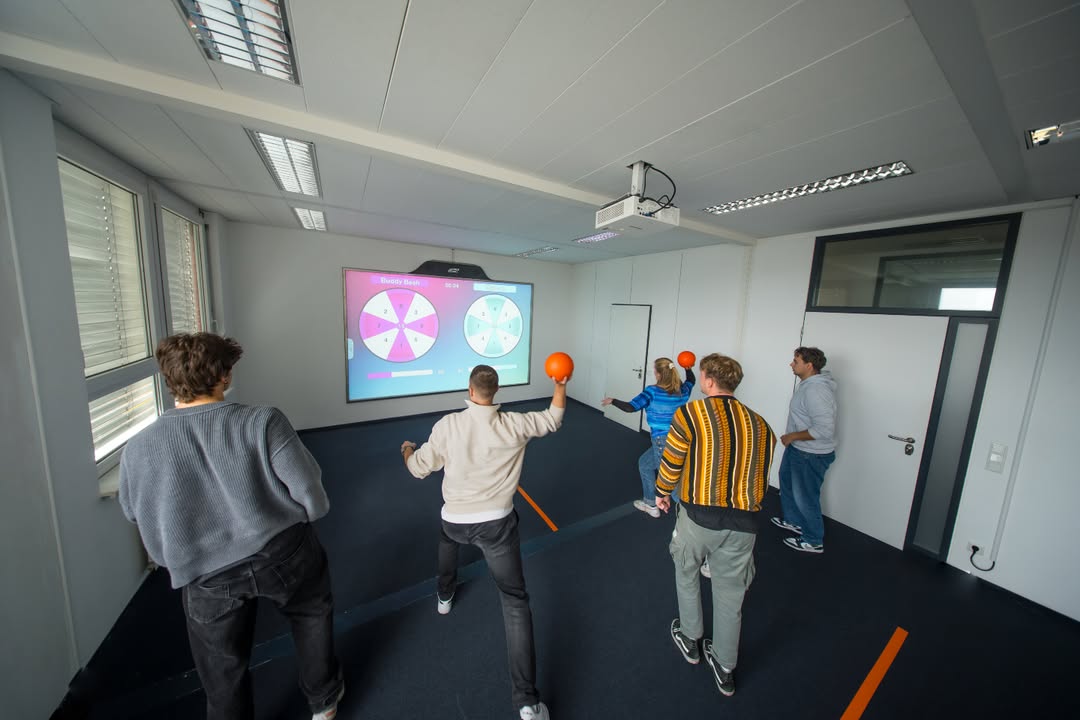
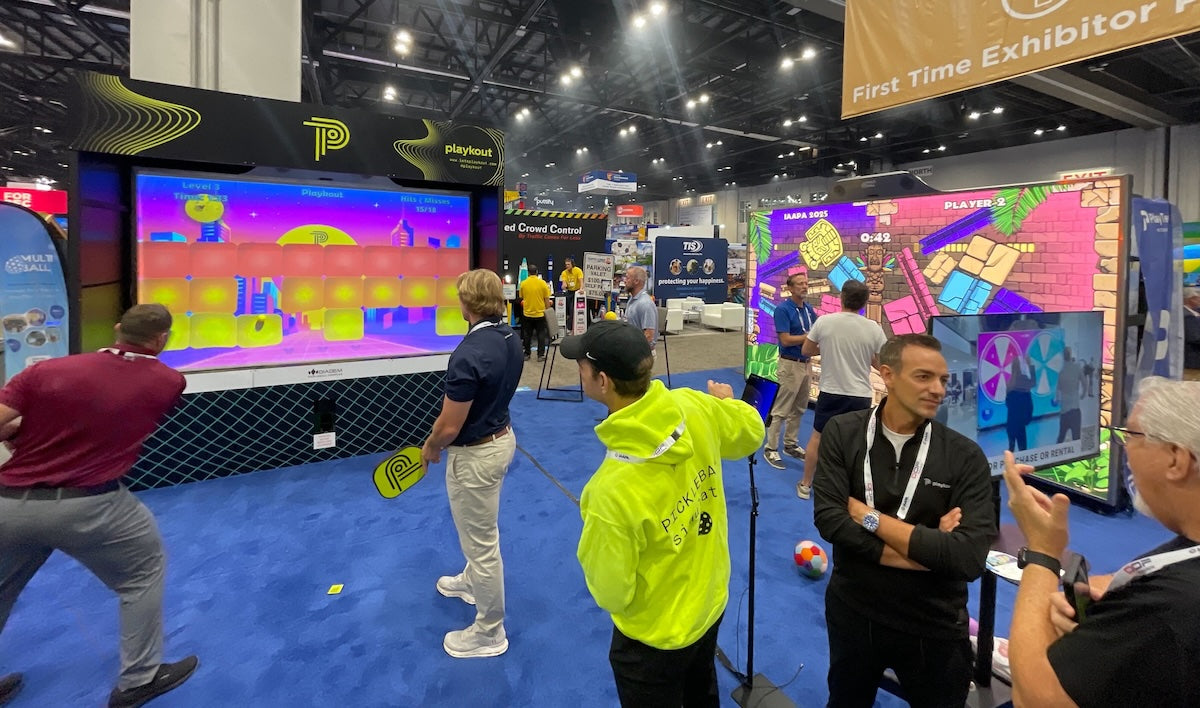
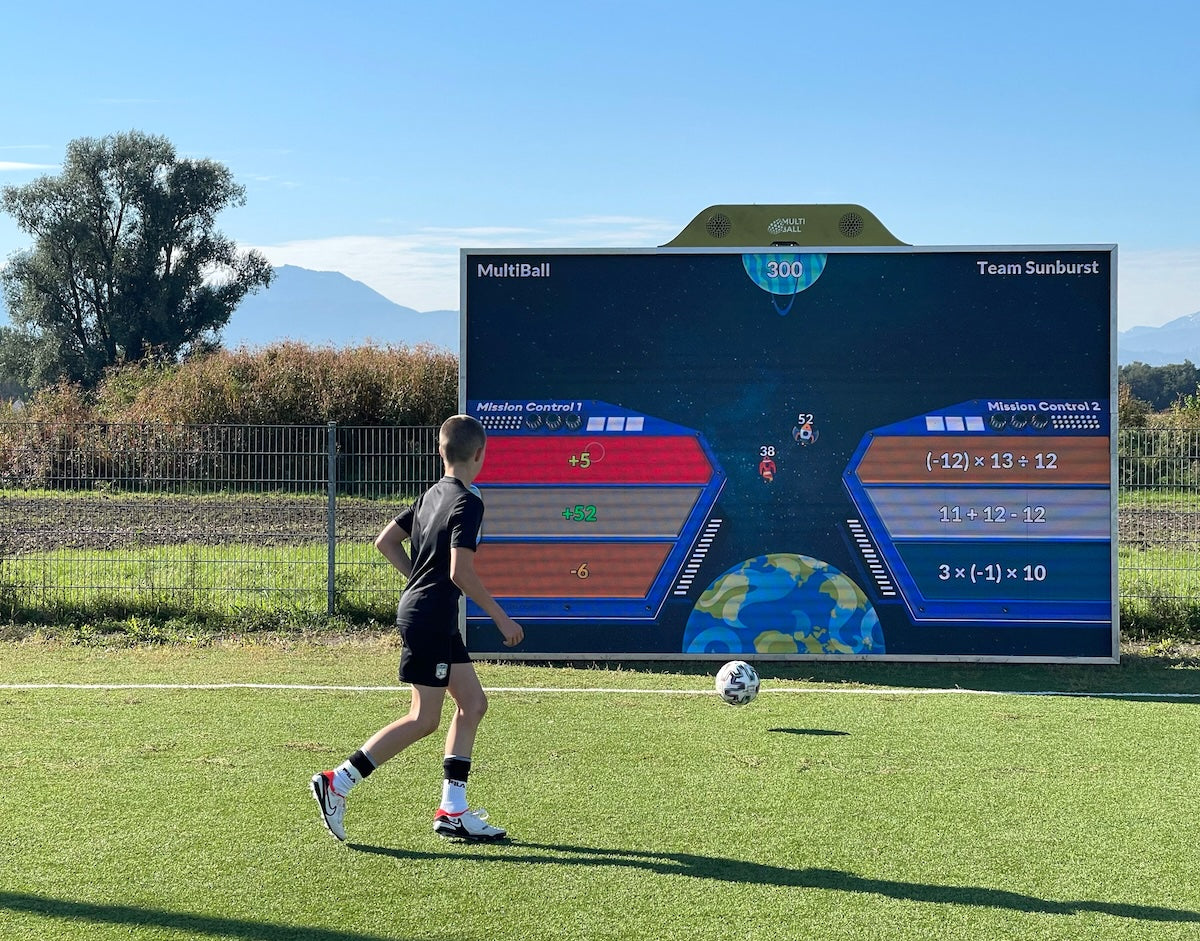
Interactive walls, when designed with purpose, simply extend the journey. They turn repetition into something people want to return to. They add cognitive layers, visual cues and reaction challenges. They create an environment where hard work feels less like hard work.
At MultiBall we call this free motion gaming. It is what happens when technology makes you move without you thinking about it, when play becomes training and training becomes play.

Looking Back to Look Forward
Before we launched MultiBall, we spent years collecting real world insight from sports halls, courts, fields and communities all over Europe and beyond. We are still doing it today. Our team remains fascinated by how people move, how they learn and how small tools can shape enormous progress.
This article is not a goodbye to old school training tools. If anything, it is a tribute to them. The tennis wall, the rebound net, the target sheet and the blinking reaction lights all hold a place in the development of athletes and enthusiasts worldwide.
Interactive technologies are simply the next chapter in a story that began long before us.
For Those Who Want to Explore More
We share a growing collection of studies, insights and ideas about movement, learning and active play on our blog.It is a place for anyone curious about how simple tools, scientific thinking and interactive environments can help people of all ages escape the sedentary lifestyle and rediscover the joy of motion.